


Orthodox Bible & Calendar
4.7294.00 Reviews
App Specs
- Version
- 7.1.1
- Updated On
- License
- Free
- Downloads
- 100,000+
- Developer
- Byteblocks, LLC
- Categories
- Books & Reference
- Platform
- Android
Screenshots
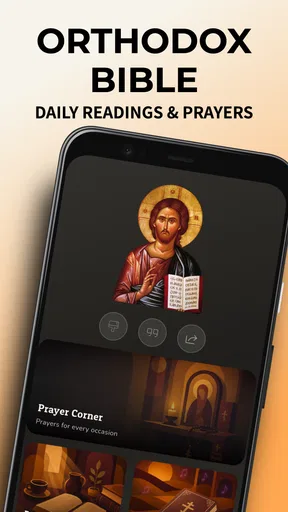
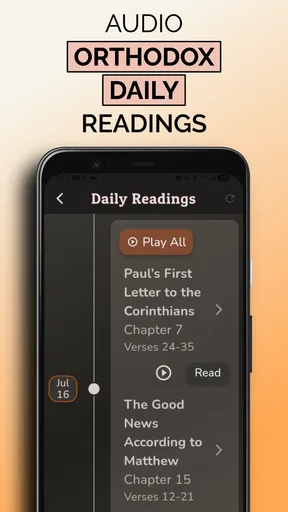
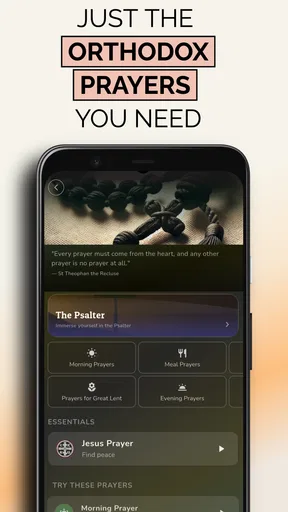
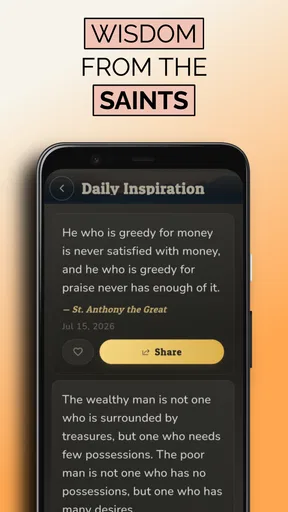
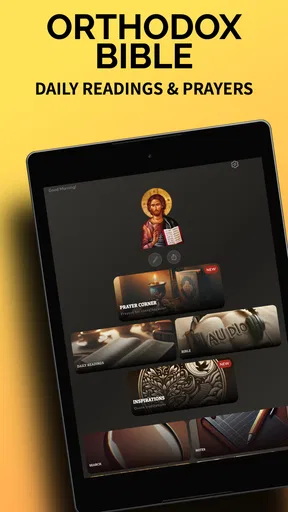
 Analysis by AppCompare
I usually look for a Bible app that does more than place a digital text on a screen. Orthodox Bible & Calendar caught my attention because it brings Scripture together with daily Orthodox prayers, the Psalter, reading plans, and a calendar. After spending time with it, I found that its main strength is not any single tool, but the way those parts support a regular Orthodox reading and prayer routine.
This is a free Books & Reference app from Byteblocks, LLC, rated for Everyone. It has reached over 100 thousand installs and holds a 4.7 average from around 2 thousand ratings, which gives it a strong reputation among the people who have tried it. The current version is 7.1.1, and it runs on Android 7.0 or later. That makes it accessible on many older phones as well as newer devices.
A practical Orthodox reading companion rather than just an e-book
The first thing I noticed is how clearly the app is aimed at Orthodox practice. A general Bible reader might offer search, bookmarks, and several translations, but this app places the Bible beside prayer material, the Psalter, reading plans, and a calendar. That combination changes how I used it. Instead of opening the Bible only when I had a particular passage in mind, I could approach it as part of a daily rhythm.
The calendar is especially useful for anyone who wants religious reading to follow the shape of the Orthodox year. It gives the app a sense of time and continuity that a plain Bible application usually lacks. I found that helpful on days when I did not have a specific chapter selected. The calendar can act as a starting point, while the reading plans offer a more deliberate route for people who prefer to work through Scripture with a defined structure.
The Psalter also gives the app a different feel from a standard Bible reader. Many people use the Psalms for prayer, reflection, or a short reading when they do not have time for a longer passage. Keeping that material in the same app reduces the need to move between separate tools. The result is a compact reference space for several related habits rather than a collection of unrelated screens.
How I would use it during an ordinary day
Imagine having ten quiet minutes before work. I would open the calendar first, check the day’s place in the Orthodox cycle, and then move into the suggested reading or a prayer. If I had more time later, I could return to the Psalter without searching for another application. In the evening, a reading plan would make it easier to continue a longer sequence rather than choosing a passage at random.
That workflow is more valuable than it may sound. The hardest part of maintaining a reading habit is often deciding what to read next. By putting the calendar, prayer material, and plans close together, the app removes some of that decision-making. It does not replace personal judgment or guidance from a priest, but it can make a private routine easier to begin and easier to repeat.
Worth Reading Before You Choose

EA SPORTS FC Mobile 26 Is a Bigger Football Game, but It Takes Time

Flipboard Shows What News Apps Must Do Beyond the Feed

Switching to Android Auto Means Rethinking Your Driving Routine

Google Calendar Makes a Crowded Week Easier to Manage

Ludo King Makes the Most of the Minutes Between Plans

Baby Panda World Brings Quick Play to Modern Phones, but Its Game Library Feels Busy
I also see a useful role for it when traveling or attending services away from home. Carrying a physical Bible and prayer book has advantages, but a phone is already available to most people. Having the Psalter and daily prayers in one place can be convenient when luggage is limited or when a short reading is needed while waiting somewhere. The trade-off is that a phone can also bring distractions, so I would use a quiet setting or enable the device’s focus tools before starting.
What the free access means in practice
The app itself is free to download, so trying its central experience does not require an upfront payment. That matters for readers who want to test the layout, calendar, prayers, Psalter, and reading plans before committing to a particular digital library. It also makes the app approachable for someone beginning an Orthodox reading habit and unsure whether a specialized tool will suit them.
There are in-app purchases ranging from $0.99 to $74.99 per item. I would therefore treat “free” as an invitation to explore rather than a promise that every possible part of the experience is included without charge. The sensible approach is to use the free portion first, understand what is already available, and only then decide whether any optional purchase offers enough value for your own routine.
That distinction is important because the right value judgment depends on how you read. Someone who only wants occasional access to prayers and Scripture may find the free experience sufficient. A person who expects a complete long-term study library may judge optional purchases differently. Since the prices cover a broad range, I would not buy impulsively from the first upgrade screen; I would first identify the specific material or capability I would use repeatedly.
Small habits that make the app more useful
One practical tip is to choose a fixed moment for the calendar rather than opening it only when you remember. For example, checking it after breakfast can turn the app into a daily prompt. A second useful habit is to separate short and long sessions: use a prayer or Psalm when time is limited, then reserve a reading plan for a quieter period. That prevents a missed long session from making the whole routine feel broken.
I would also avoid treating the reading plans as a race. Their real benefit is continuity, not speed. If a passage raises questions, stopping to reflect is more worthwhile than rushing to preserve a streak. The calendar can provide context, while the plan can provide structure; using both for different purposes is more effective than expecting either one to organize every part of personal study.
Another trade-off is screen-based reading itself. A phone makes the content portable, searchable, and easy to keep nearby, but it does not offer the same physical separation from notifications as a printed book. For focused prayer, I would put the phone on silent and increase the text size if needed. That simple preparation can make the app feel less like ordinary phone use and more like a dedicated reading session.
Where it differs from general Bible apps
General Bible apps are often better choices for readers who need a wide selection of translations, extensive cross-references, audio tools, or broad academic study features. Their strength is breadth. Orthodox Bible & Calendar takes a narrower and more coherent approach by connecting Scripture with Orthodox prayers, the Psalter, reading plans, and the liturgical calendar.
That focus is its clearest advantage, but also its main limitation. If your priority is comparing many translations or building a detailed research workflow, a larger study-oriented Bible platform may serve you better. If your priority is keeping Orthodox reading and prayer resources together, a general app can feel fragmented even when it has more individual tools.
I would also distinguish this app from a simple e-book reader. An e-book reader may provide a cleaner page-turning experience and stronger controls for a single book, but it will not necessarily connect that reading with an Orthodox calendar or daily prayer routine. This app makes more sense when the surrounding structure matters as much as the text itself.
Who is likely to get the most value
The strongest audience is Orthodox Christians who want one dependable place for regular Bible reading, prayer, Psalter use, and calendar awareness. It is also a good fit for someone returning to these habits after a long break. The presence of reading plans gives a beginner a path to follow, while the calendar offers a natural reason to open the app each day.
It may also help families or friends who want a shared starting point for discussion. One person can follow the calendar, another can read from the Psalter, and both can return to the same general resource without assembling several separate applications. I would still treat it as a personal aid rather than a substitute for parish life, pastoral advice, or a physical prayer book when those are important to you.
People who should skip it are readers looking mainly for non-Orthodox study tools, extensive scholarly notes, or a highly customizable digital library. The app’s value comes from its particular religious focus. If that focus does not match your needs, its specialized structure will not compensate for missing features you consider essential.
It is also not the best choice for someone who dislikes reading on a phone. No calendar or reading plan can change the basic experience of a small screen. In that case, a printed Bible and prayer book may be more comfortable, with the app kept only as a portable backup. I would not force a digital habit simply because the download is free.
What to consider before paying for anything
Because optional purchases can reach a much higher price than the free download, I would make the decision based on repeated use rather than curiosity. Ask yourself whether you are opening the app regularly, whether the included material already supports your routine, and whether the particular paid item would replace something you currently use. Those questions are more useful than judging the app by the largest available purchase.
The free entry point makes experimentation easy, but paid value is personal here. A committed reader who uses the app every day may find an additional purchase worthwhile, while an occasional visitor may gain little from spending money. I appreciate that the app lets people begin without an upfront cost, but I would still read each purchase screen carefully and confirm exactly what is being added before approving it.
For a household budget, the broad purchase range is worth keeping in mind. The lower-priced options may feel easy to justify, while the highest-priced item deserves a more deliberate decision. I would never assume that paying more automatically improves the basic reading experience. The meaningful question is whether the added material fits your specific Orthodox practice and will remain useful after the initial novelty fades.
My final recommendation
My view is favorable, with a clear condition: Orthodox Bible & Calendar is most valuable when you want a daily Orthodox routine, not merely a digital Bible. Its combination of Scripture, prayers, Psalter, reading plans, and calendar gives it a purpose that a generic Bible reader does not always provide. I found the structure helpful because it made the next step obvious without making the app feel limited to one kind of reading.
The free download makes it easy to judge that fit for yourself. Start with a few ordinary days, use the calendar, try a prayer, open the Psalter, and follow enough of a reading plan to see whether its rhythm suits you. If those tools become part of your routine, optional purchases can be considered carefully on their individual merits. If they do not, you have lost little by testing the app.
For Orthodox readers who want a focused companion on Android 7.0 or later, I would recommend giving it a fair trial. Its 4.7 average and over 100 thousand installs suggest that it has connected with a substantial audience, but my recommendation rests more on the practical combination of tools than on popularity. I would skip it only if you need a broad academic Bible platform, dislike phone reading, or already have a printed and digital setup that serves the same purpose better.
In short, Byteblocks, LLC has made a specialized reference app with a sensible everyday role. It is not a replacement for worship, community, or personal guidance, and it should not be judged as a universal Bible study system. Used for what it is designed to support, though, it can turn a scattered set of Orthodox reading habits into one accessible routine.
Pros
- Includes Bible texts and Orthodox calendar information in one app.
- Useful for checking feast days
- saints
- and fasting periods.
- Simple layout makes daily religious content easy to access.
- Works well as a personal reference for Orthodox traditions.
- Helpful for users following the liturgical year and church observances.
Cons
- Content may vary by jurisdiction and not match every Orthodox tradition.
- Some users may find the design dated or visually basic.
- Calendar details may require occasional updates for accuracy.
- Limited features compared with apps offering audio or study tools.
- Religious terminology can be difficult for newcomers to understand.
FAQs for Orthodox Bible & Calendar
What is Orthodox Bible & Calendar, and what does the app include?
Orthodox Bible & Calendar is designed for users who want to read Orthodox Christian scriptures and follow important dates in the Orthodox liturgical year. During testing, the app appeared focused on combining Bible reading with calendar information, including feast days, fasting periods, and religious observances. It can be useful for personal devotion, daily reading, and keeping track of Orthodox celebrations in one convenient mobile application.
Does Orthodox Bible & Calendar work without an internet connection?
Offline availability may depend on the specific content and version installed on your Android or iOS device. Bible text or previously loaded calendar information may remain accessible without an active connection, while updates, additional resources, advertisements, or online features could require internet access. Before relying on the app during travel or church services, open the sections you need while connected and confirm that they continue working offline.
Which Orthodox calendar and Bible translation does the app use?
The calendar and Bible version can vary according to the app’s settings, region, language support, and developer updates. Orthodox communities may follow different calendar traditions, including Old Calendar or New Calendar observances, so users should review the displayed dates carefully. The app should be treated as a helpful reference, but important feast days, fasting guidance, and local practices are best confirmed with your parish or spiritual adviser.
Can I use the app to follow fasting periods and Orthodox feast days?
Yes, the calendar section is intended to help users identify Orthodox feast days, commemorations, and seasonal periods such as fasting. It can make daily planning easier by placing religious dates in a familiar calendar format. However, fasting rules may differ by jurisdiction, health situation, age, and pastoral guidance. The app should not replace advice from a priest, especially when you have medical or dietary concerns.
Is Orthodox Bible & Calendar suitable for beginners and daily Bible reading?
The app can be suitable for both newcomers and practicing Orthodox Christians because it brings scripture and calendar information together in a straightforward format. Beginners may appreciate having religious dates available while exploring the Bible, whereas experienced users can use it for regular reading and reference. Its usefulness will depend on the translation, interface, navigation, and language available on your particular device, so checking screenshots and permissions before downloading is recommended.


